MathWeek 1 · Day 1
Supports: Understand that the three digits of a three-digit number represent amounts of hundreds, tens, and ones.
Place Value Song For Kids | Ones, Tens, & Hundreds
Numberock · 3:55
One short video for most lessons, picked to match that day's goal. Watch together, then try the lesson.
261 videos
Supports: Understand that the three digits of a three-digit number represent amounts of hundreds, tens, and ones.
Place Value Song For Kids | Ones, Tens, & Hundreds
Numberock · 3:55
Supports: Ask and answer questions about key details in a story.
Asking and Answering Questions About a Story
Teaching Without Frills · 1:57
Supports: Observe and classify objects by their properties.
Properties of Materials
Smile and Learn - English · 6:14
Supports: Understand community rules and why they exist.
Rules and Laws: Why We Have Rules and How They Help
Miacademy Learning Channel · 7:52
Supports: Use place value understanding to read and write numbers to 200.
Reading and Writing Numbers up to 1000 - 2nd Grade Math
Boddle Learning · 4:56
Supports: Retell stories including key details; continue narrative drafting.
How to Retell a Story
Teaching Without Frills · 1:49
Supports: Describe materials by observable properties; plan a test.
Physical Properties of Materials
Kids Academy · 5:42
Supports: Learn about laws in our community and who makes them.
Together We Can: Laws and Rules
PBS KIDS · 2:56
Supports: Build and count bundles of ten to show that 100 is the same as 10 tens.
10 Tens Make 1 Hundred | 2nd Grade Math
Astral Homeschool · 4:26
Supports: Describe how Toad responds to the events in 'Spring' by naming what he does and how he feels.
How Characters Respond to Events
eSpark · 4:12
Supports: Observe, describe and sort household objects by properties such as color, texture, hardness, flexibility and whether they absorb water.
Sorting Objects into Groups
Kids Academy · 4:26
Supports: Explain why groups of people need rules and laws and describe what could happen without them.
Laws and Rules for Kids
Learn Bright · 7:11
Supports: Represent numbers from 10 to 100 as tens and ones using drawings and a place value chart.
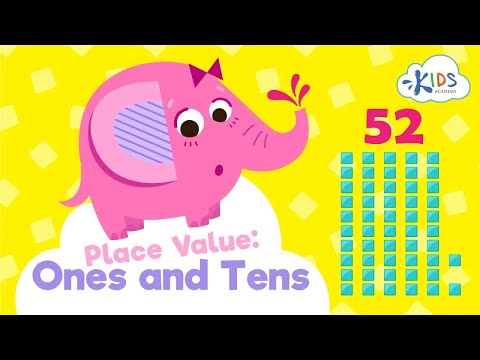
Place Value: Ones and Tens | Math for Grade 2
Kids Academy · 3:17
Supports: Compare how two characters from different books respond to a problem, using evidence from their actions.
Comparing and Contrasting Characters
eSpark · 4:49
Supports: Test which materials absorb water and use the results to add a new property to their sorting chart.
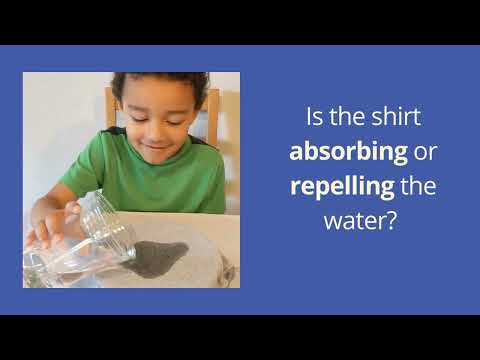
Absorb & Repel
Science Delivered! · 5:05
Supports: Identify rules at home and laws in the community and create a poster explaining one law and its purpose.
Together We Can: What Exactly Is a Rule?
PBS KIDS · 3:21
Supports: Build numbers with hundreds, tens, and ones and name the value of each digit.
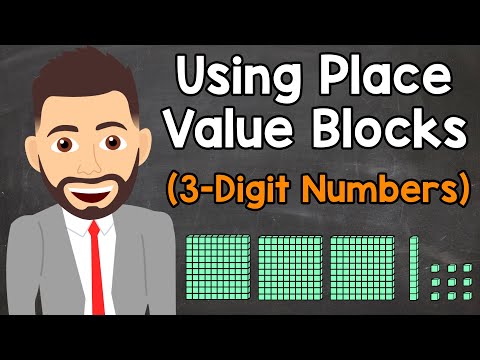
Place Value Blocks (3-Digit Numbers)
Elementary Math with Mr. J · 5:58
Supports: Identify the beginning, middle, and end of A Chair for My Mother and explain what each part does for the reader.
Beginning, Middle, and End
Khan Academy Kids · 1:10
Supports: Observe that heating causes some solids to melt and record how fast ice melts in different places.
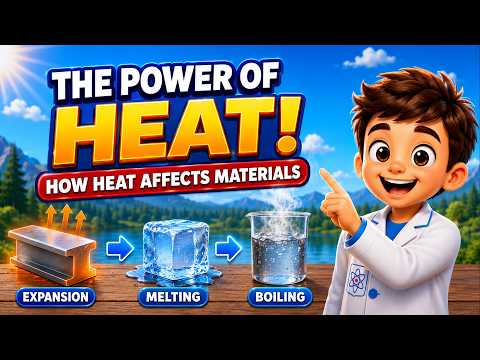
Heat Energy: How Heat Changes Materials
Wonderful nature and science · 7:23
Supports: Identify community helpers, describe the jobs they do and explain how those jobs meet needs in the community.
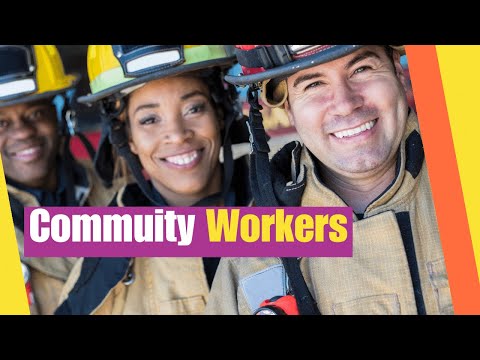
Community Workers
Lesson Boosters · 7:18
Supports: Draw and write three-digit numbers in standard form and as hundreds, tens, and ones.
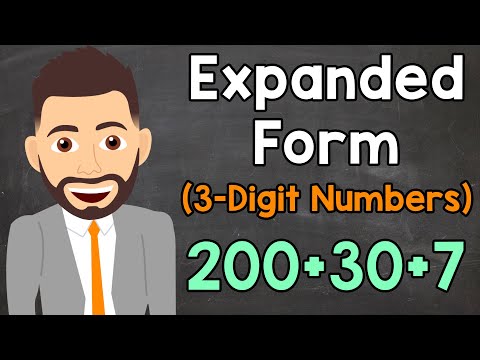
Writing 3-Digit Numbers in Expanded Form
Elementary Math with Mr. J · 4:48
Supports: Compare the structure of two stories and describe how each ending finishes what the beginning started.
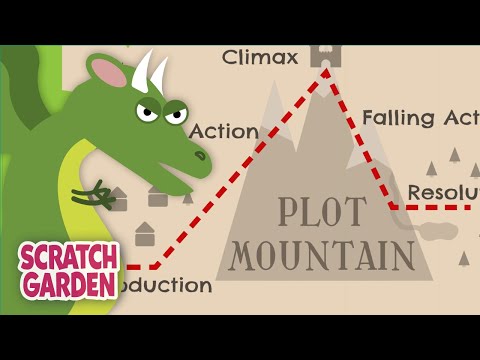
Plot Mountain! The Plot Diagram Song
Scratch Garden · 2:50
Supports: Observe that cooling can turn a liquid back into a solid and that some materials melt at lower temperatures than others.

Our World: Melting and Freezing
Adventure Academy · 3:40
Supports: Explain how a chosen community helper solves problems for people and create a thank-you card for a real helper.
Community Helpers
Twinkl USA · 7:46
Supports: Skip-count by 5s and 10s within 1000 and describe the pattern in the ones digit.
The Counting by Fives Song
Scratch Garden · 2:40
Supports: Retell Chrysanthemum using a five-finger retell and begin to think about the central message.
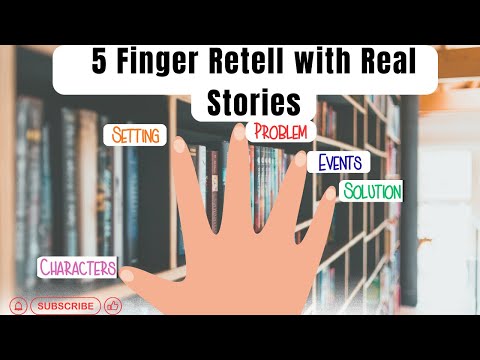
How to Retell Any Story With Just Five Fingers
Teacher's Helper Education · 6:35
Supports: Sort changes to matter into those that can be reversed and those that cannot.
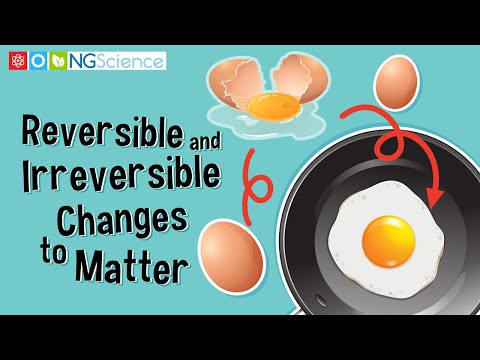
Reversible and Irreversible Changes to Matter
Next Generation Science · 2:16
Supports: Describe what a good citizen does at home, at school and in the community and identify ways to help others.
Being a Good Citizen: How to Help Your Community
Miacademy Learning Channel · 5:48
Supports: Find and describe skip-counting patterns on a number chart and fill in missing numbers.
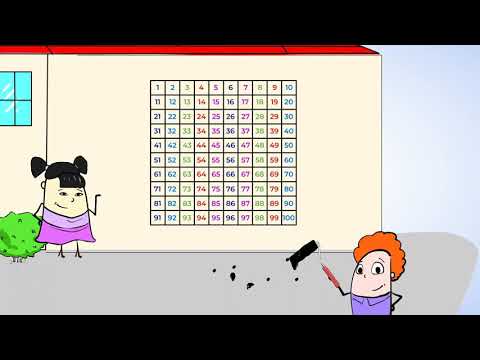
Skipping Around the Hundreds Chart
MightyOwl · 7:24
Supports: Retell a second story by the same author and compare the central messages of the two books.
Finding the Lesson of a Story
Khan Academy Kids · 1:25
Supports: Observe changes caused by mixing and cooking and provide evidence that these changes cannot be reversed.
Baking a Cake with Science!
SciShow Kids · 4:20
Supports: Plan and carry out one act of good citizenship at home or in the neighborhood and reflect on how it helped others.
Helping at Home, Helping the Neighborhood
Sesame Workshop · 2:39
Supports: Read and write three-digit numbers in standard form and expanded form.
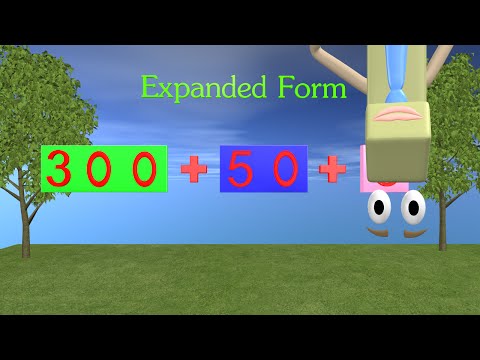
Expanded Form - 1st and 2nd Grade Math
Math & Learning Videos 4 Kids · 4:11
Supports: Test paper towels and other materials to decide which is best at absorbing a spill and explain the choice with data.
How Paper Towels Absorb Water
A Moment of Science · 2:09
Supports: Explain that all people have rights, that rights come with responsibilities, and give examples of both at home and in the community.
Rights and Responsibilities for Kids
Learn Bright · 5:38
Supports: Represent the same number in four ways: standard, expanded, word, and picture.
Place Value | Expanded, Word, and Standard Form Song
Numberock · 4:21
Supports: Compare how two illustrators show a snowy setting and a character's actions, and answer a question with picture evidence.
What Is a Setting?
Teaching Without Frills · 2:09
Supports: Test materials for a different purpose, keeping rain out, and compare which material best fits that job.
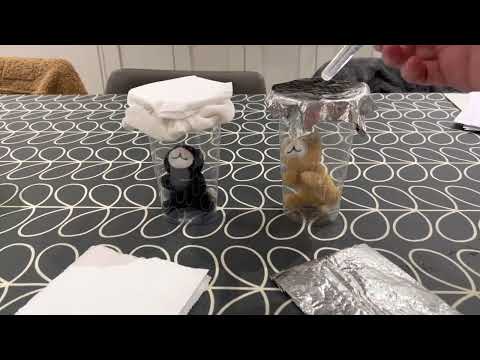
Is It Waterproof?
The Ozzies · 1:19
Supports: Create a family rights and responsibilities chart and connect responsibilities to fairness for everyone in the home.
Teaching Kids Responsibility
SKIDOS · 2:48
Supports: Compare two three-digit numbers by looking at the hundreds digit first and use the symbols >, <, and =.
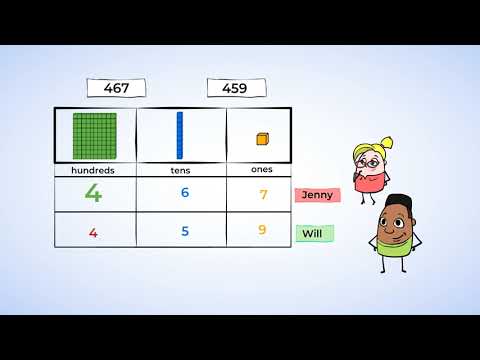
Which Is Bigger? Compare Three-Digit Numbers
MightyOwl · 6:10
Supports: Identify who is telling The Three Little Pigs and describe the pigs' point of view about the wolf.
City Island: Point of View
PBS KIDS · 3:24
Supports: Compare and order three-digit numbers using place value reasoning without manipulatives.
Order Whole Numbers - 2nd Grade
Underwater Math · 1:53
Supports: Read a two-voice book with different voices for each character and describe how their points of view differ.
Reading Fluency: Speed, Accuracy, and Expression
Growing Primary · 5:42
Supports: Explore cutting and folding paper into new objects and review reversible changes with the Week 4 play dough.
What Is Matter? The Dr. Binocs Show
Peekaboo Kidz · 7:19
Supports: Add two-digit numbers within 100 using make-a-ten and open number line strategies based on place value.
Adding 2-Digit Numbers on a Number Line
Astral Homeschool · 4:10
Supports: Ask who, what, where, when, why, and how questions before and during a nonfiction read-aloud and begin an informational piece by introducing a topic.
Asking Questions While You Read
Khan Academy Kids · 0:55
Supports: Plan and set up an investigation to find out whether plants need water and sunlight to grow.
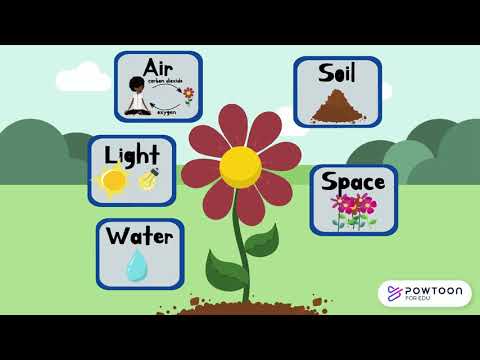
The Needs of a Plant
BuzzWithBee · 2:44
Supports: Explain that a map is a picture of a place from above and create a simple map of a familiar room.

Maps for Kids
Learn Bright · 9:11
Supports: Practice adding and subtracting within 100 with the compensation strategy and choose a strategy that fits each problem.
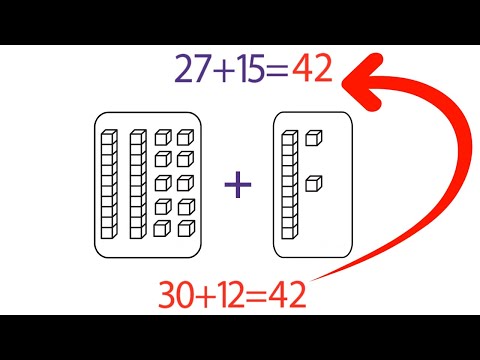
Use Compensation to Add 2-Digit Numbers
MATH-N-ROLL · 3:46
Supports: Ask and answer questions about a second nonfiction text and combine a hook and topic sentence into an informational introduction.
Informational Writing: Writing an Introduction
Teaching Without Frills · 2:02
Supports: Observe the four seed bags, record changes, and plant a bean in soil to begin a longer growth test.
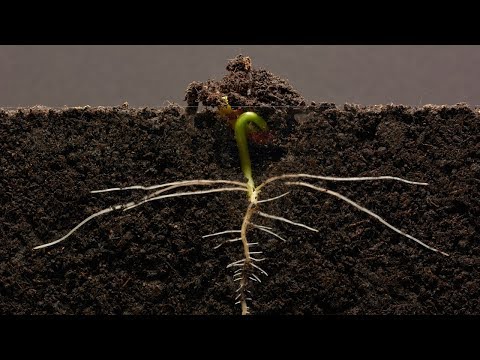
Bean Time-Lapse: 25 Days
GPhase · 3:10
Supports: Compare a map and a globe and use the parts of a map, including a title, key, and compass rose, to add detail to their home map.
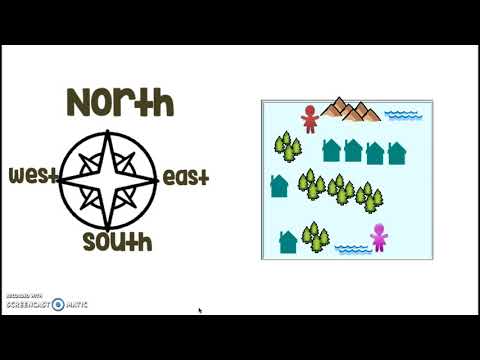
Map Skills: A Compass Rose
Teaching Independent Learners · 4:58
Supports: Add three two-digit numbers by looking for pairs that make a ten or a friendly number.
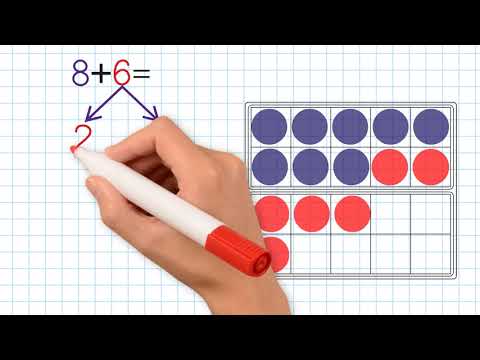
Make a Ten to Add
MATH-N-ROLL · 2:31
Supports: Identify the main topic of a multi-paragraph nonfiction text and begin developing informational points with facts.
Nonfiction Main Idea and Key Details
Twinkl USA · 7:23
Supports: Identify the parts of a plant and explain how the stem carries water to the leaves.
The Parts of a Plant Song
Scratch Garden · 2:07
Supports: Name the seven continents and five oceans and locate them on a globe or world map.
Seven Continents Song
Hopscotch Songs · 2:03
Supports: Practice adding three and four two-digit numbers with column addition and check with grouping.
Adding Up To Four 2-Digit Numbers
Boddle Learning · 5:00
Supports: Compare the main topics of two nonfiction texts about animal body parts and develop informational writing with facts and definitions.
Informational Writing: What Is It?
Teaching Without Frills · 1:00
Supports: Compare animal body structures, such as beaks and feet, and explain how each structure helps the animal get food.
Types of Beaks & What They Do
learning junction · 3:57
Supports: Build a labeled world map and describe where the continents and oceans sit in relation to each other using direction words.
Five Oceans Song
Hopscotch Songs · 2:18
Supports: Add three-digit numbers within 1000 using base-ten drawings and regrouping ones into tens.
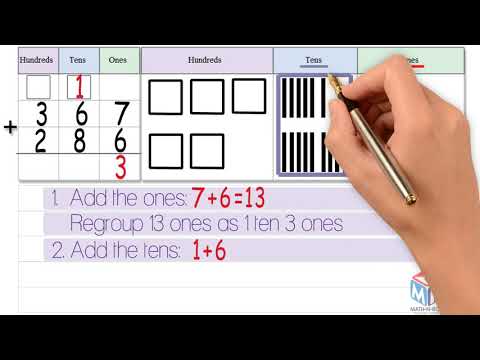
3-Digit Addition: Regroup Ones and Tens
MATH-N-ROLL · 5:51
Supports: Use headings, captions, and bold print to locate information in a nonfiction reader and begin a narrative about a sequence of events.
Nonfiction Text Features
Jack Hartmann Kids Music Channel · 3:45
Supports: Describe what a habitat provides (food, water, shelter, space) and compare living things found in two outdoor spots.
Habitat | Science for Kids
Little School · 4:07
Supports: Identify major landforms (mountain, hill, valley, plain, island) and bodies of water (river, lake, ocean) and describe them with pictures and words.
Exploring Landforms and Bodies of Water
Free School · 9:19
Supports: Subtract within 1000 using base-ten drawings, unbundling a ten or a hundred when needed.
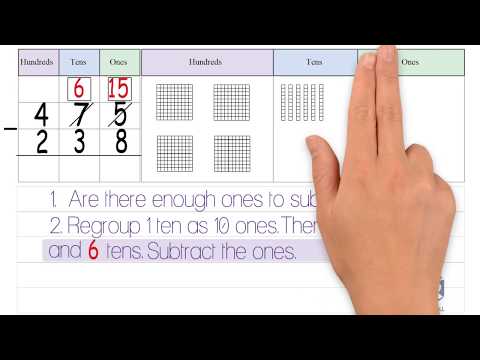
3-Digit Subtraction: Regroup Tens
MATH-N-ROLL · 3:37
Supports: Compare the text features of two nonfiction texts and use them to locate specific facts, and draft the middle of a sequenced narrative.
Using Text Features to Locate Information
Khan Academy · 5:44
Supports: Compare different habitats (pond, forest, desert, ocean) and match animals to the habitat that meets their needs.
Habitats for Kids: Deserts, Forests, Grasslands and More
Learn Bright · 9:41
Supports: Locate landforms and bodies of water on a map and describe how they shape where people live and travel.
Communities and Geography
Lesson Boosters · 5:47
Supports: Mentally add and subtract 10 from any number within 1000 by changing only the tens digit.
10 More, 10 Less | Math Song
Jack Hartmann Kids Music Channel · 3:06
Supports: Identify the main purpose of a nonfiction text, including what the author wants to answer, explain, or describe, and choose a research topic for an All About book.
Author's Purpose: Persuade, Inform & Entertain
Mrs. Randall's Reading Island · 4:05
Supports: Explain that animals depend on plants for food and shelter and observe how seeds travel on animals.
How Plants, Animals, and People Help Each Other
The Digital Classroom Experience · 2:27
Supports: Compare urban, suburban, and rural communities and identify features of each.
Urban, Suburban and Rural Communities
BuzzWithBee · 4:31
Supports: Practice mixed mental math with 10 and 100 more and less, including cases that cross a hundred.
100 More, 100 Less Than a 3-Digit Number
Underwater Math · 2:24
Supports: Compare the purpose of an informational text with the purpose of a story on the same subject and gather facts from a second source.
Fiction v. Nonfiction
Khan Academy Kids · 1:23
Supports: Investigate how seeds travel by wind, water, and animals by testing seed models.
How Do Plant Seeds Travel?
SciShow Kids · 5:47
Supports: Explain why people choose to live in different kinds of communities and build a model of one community type.
Types of Communities
Learn Bright · 10:14
Supports: Explain why the make-a-ten and decomposition strategies work using place value language and drawings.
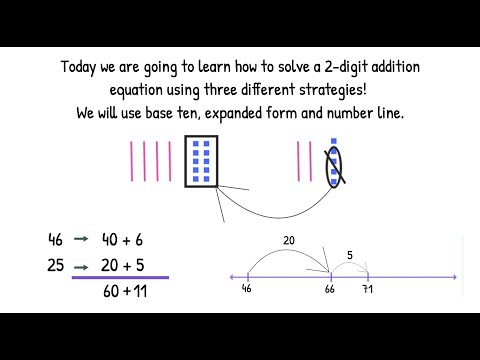
2-Digit Addition Strategies
Math (and More) in Minutes · 3:08
Supports: Explain how a diagram or picture adds to and clarifies the words in a nonfiction text and begin organizing research notes into sections.
Text Features: Diagrams and Labels
Ms_Mak · 2:02
Supports: Examine the parts of a flower and explain that pollen must move from flower to flower for seeds to form.
What Is Pollination? The Dr. Binocs Show
Peekaboo Kidz · 5:18
Supports: Identify natural resources (water, soil, trees, air, sunlight, rocks) and explain how people use them.
Natural Resources for Kids
Learn Bright · 9:33
Supports: Practice explaining regrouping in three-digit addition and subtraction using drawings and written sentences.
Subtraction with Regrouping
Math & Learning Videos 4 Kids · 2:43
Supports: Compare how photographs with captions and drawings with labels each support a text, and draft a second All About section.
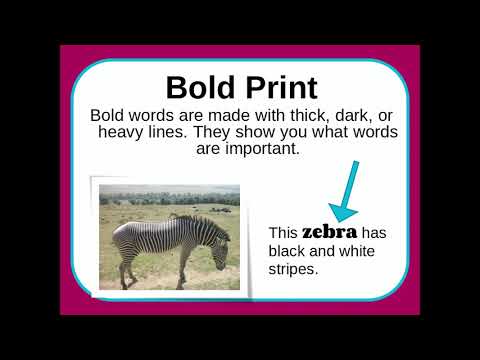
Text Features: Captions, Headings, Bold, Italics
Andrea Nunez-Caicedo · 2:02
Supports: Model how a bee moves pollen between flowers and begin designing a hand pollinator tool.
Pollinators and Pollination for Kids
Learn Bright · 6:51
Supports: Classify resources as renewable or nonrenewable and plan one way their family can conserve a natural resource.
Renewable and Nonrenewable Resources
Next Generation Science · 4:01
Supports: Review place value and skip-counting by 5s, 10s, and 100s from any number to prepare for the unit assessment.
Skip Counting by 100 Song
Numberock · 2:51
Supports: Describe the connection between a series of scientific ideas in a text (cause and effect) and revise the All About book for clear order.
Cause and Effect for Kids
Learn Bright · 5:42
Supports: Review what plants need by comparing two seedlings grown under different conditions and restate evidence-based claims from the unit.
Growing Plants Without Soil!
SciShow Kids · 5:34
Supports: Review map skills, continents and oceans, landforms, and community types through a read-aloud and a mapping game.
Learn About Maps: Symbols, Map Key, Compass Rose
Vids4Kids.tv · 3:27
Supports: Practice adding and subtracting within 1000 with regrouping and mental jumps of 10 and 100.
Add and Subtract Within 1000
Boddle Learning · 4:27
Supports: Describe the connection between steps in a natural process across two texts and edit the All About book for capitals, end marks, and spelling.
Editing Writing for Kids
Teaching Without Frills · 3:17
Supports: Review habitats and interdependence by tracing food and seed connections in a real outdoor space.
How Living Things Work Together
SciShow Kids · 6:07
Supports: Solve add-to and put-together word problems with the result unknown by drawing a bar model and writing an equation with a symbol for the unknown.
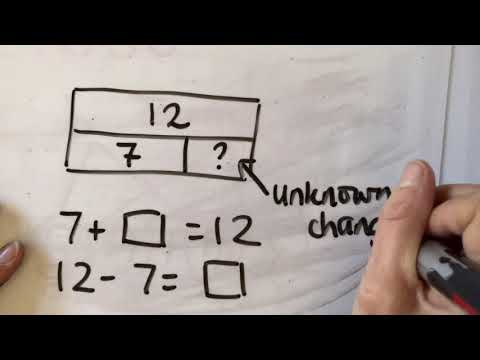
Bar Model Addition and Subtraction
Westfield Primary School · 2:23
Supports: Notice how rhyme and repeated beats give a poem its rhythm and will state an opinion about a poem.
Make a Rhyme, Make a Move
Jack Hartmann Kids Music Channel · 3:07
Supports: Explain what engineers do and use a simple problem to identify a need that a design could solve.
What Is an Engineer?
SciShow Kids · 5:18
Supports: Describe what a government is and identify the jobs a government does for a community.
What Does the Government Do?
Twinkl USA · 4:16
Supports: Solve a mix of add-to and put-together problems with unknowns in different positions, choosing where the ? belongs before solving.
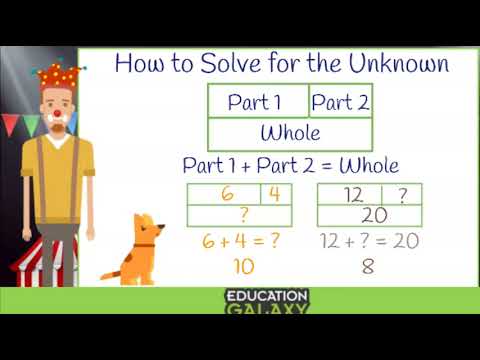
Addition and Subtraction: Solving the Unknown
Education Galaxy · 4:35
Supports: Compare the rhythm of two poets' work and use rhyme to predict words while reading.
Poems for Kids: Elements of Poems
Smile and Learn - English · 5:27
Supports: Observe that a design has limits (a budget of materials) and use a test to decide whether it solved the problem.
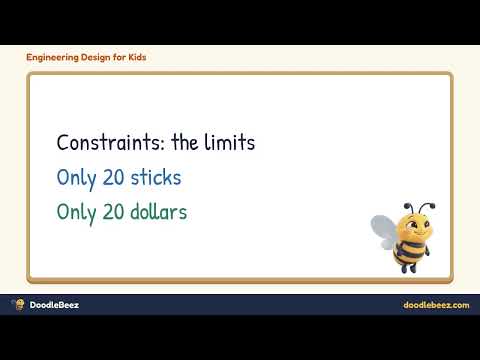
Engineering Design: Criteria and Constraints
Doodle Beez · 2:04
Supports: Identify leaders and offices in their own local government and explain that leaders serve the people who live there.
What Exactly Does a Mayor Do?
WFYI · 3:13
Supports: Solve take-from word problems with the result unknown by drawing a bar model with the part taken away crossed out and writing a subtraction equation.
Using a Bar Model to Solve Word Problems
Math Maniac · 6:14
Supports: Ask questions and make observations to define a simple problem that people want to change.
Solve Problems: Be an Engineer!
SciShow Kids · 4:07
Supports: Distinguish local, state, and national government and name the leader of each level.
Levels of Government: Federal, State, and Local
Miacademy Learning Channel · 7:45
Supports: Solve compare word problems (how many more, how many fewer) using a two-bar comparison model.
"How Many More" Word Problems
Math Mammoth · 4:15
Supports: Compare and contrast two versions of Cinderella from different cultures using a Venn diagram.
Compare and Contrast Stories
Learn Bright · 9:47
Supports: Gather information about a problem by interviewing people and testing the situation, then list the criteria a good solution must meet.

The Engineering Design Process
Smithsonian National Air and Space Museum · 3:47
Supports: Explain that different levels of government make different rules and identify which level handles a given community concern.
Kids Explain 3 Levels of Government
MGB Film Archive · 1:43
Supports: Use the doubles and near-doubles strategies to recall addition facts within 20.
Doubles and Near Doubles
Teach With Mrs. J. · 6:26
Supports: Identify key words in a nonfiction text and use the book's glossary to find their meanings.
How to Use a Glossary
Twinkl USA · 2:39
Supports: Generate several possible solutions to the defined problem and sketch each one with labels.
The Engineering Design Process: Define, Build, Test, Improve
Doodle Beez · 2:13
Supports: Identify the American flag, the bald eagle, and the Statue of Liberty as national symbols and explain what each stands for.

American Eagles: The National Symbol
Learn Bright · 8:04
Supports: Subtract within 20 by counting back for small differences and by thinking addition (fact families) for larger ones.
Fact Family Song
Numberock · 2:25
Supports: Compare how two nonfiction authors define the same key words and will use a children's dictionary.
How to Use the Dictionary
FlexFlix Kids in English · 2:15
Supports: Compare sketches against the criteria list and choose one design to build, explaining the choice.
What Makes Bridges So Strong?
SciShow Kids · 3:45
Supports: Explain the meaning of the Statue of Liberty and the Liberty Bell and describe why people value these symbols.

Statue of Liberty Facts for Kids
Learn Bright · 5:53
Supports: Solve two-step word problems that combine addition and subtraction by drawing a model for each step.
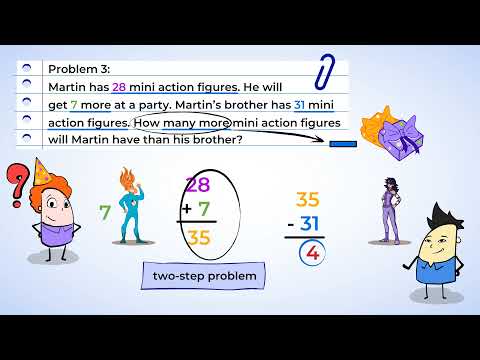
Word Problem Wizards: Two-Step Problems
MightyOwl · 6:14
Supports: Identify the reasons a character gives to support an opinion and use context clues to figure out unknown words.
Opinion Writing: Reasons & Examples
Teaching Without Frills · 2:17
Supports: Build a physical prototype from their plan and record what changed between the drawing and the real object.
It's All About Prototypes
Fun Kids Learn · 4:48
Supports: Explain what voting is and why groups use it to make fair decisions.
You Choose: Presley Talks About Voting
PBS KIDS · 3:26
Supports: Practice a mix of two-step problems and check answers with an alternate path or by working backward.
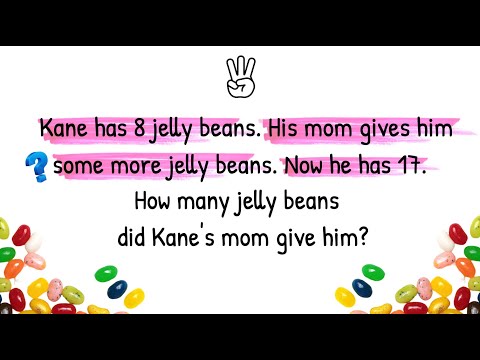
Solving a Word Problem with the 3 Reads Strategy
Math (and More) in Minutes · 3:42
Supports: Compare how two persuasive texts use reasons and will use context clues in a second book.
Context Clues
Mind Blooming · 3:11
Supports: Test a prototype against the criteria, collect data, and use the results to identify what to improve.
Think Like an Engineer: Let's Design a Solution!
SciShow Kids · 5:35
Supports: Describe how elections choose leaders and identify ways citizens, including children, can take part in their community.
Election Day for Kids: Voting & Democracy
Homeschool Pop · 6:45
Supports: Determine whether a group of up to 20 objects is odd or even by pairing objects.
Even and Odd Numbers
Smile and Learn - English · 4:53
Supports: Identify the most important points in a nonfiction text and use prefixes to determine word meaning.
Main Idea & Key Details: Reading Detective
Mrs. Randall's Reading Island · 4:45
Supports: Build a second, different solution to the same problem so that two designs can be compared fairly.
Strong Structures with Triangles
Design Squad · 5:03
Supports: Explain why the nation sets aside holidays to remember people and events, using Martin Luther King Jr. Day as an example.
The Story of Martin Luther King Jr.
SoulPancake · 3:27
Supports: Write an even number as the sum of two equal addends (for example 14 = 7 + 7) and explain why odd numbers cannot be written that way.
Even Numbers as Equal Addends
Astral Homeschool · 3:37
Supports: Compare and contrast the most important points two texts make on the same topic and read a poem for a recording.
Prefixes | Monsters Learn English
Scratch Garden · 5:19
Supports: Test two designs under the same conditions and compare their strengths and weaknesses using data.
The Scientific Method with a Chocolate Experiment
Smile and Learn - English · 5:30
Supports: Describe how Memorial Day and Veterans Day honor people who served and compare how families and communities observe holidays.

What Is Veterans Day?
Learn Bright · 4:09
Supports: Build rectangular arrays with up to 5 rows and 5 columns, describe them by rows and columns, and count the total.
Arrays for Kids
Kids Academy · 5:24
Supports: Identify the lesson of a folktale and read prose aloud with accuracy and expression.
Fables for Kids: What Makes a Story a Fable?
Learn Bright · 5:32
Supports: Retrace every step of the engineering design process using their own project as the example.
Engineering Design: Plan, Build, Test, Improve
Doodle Beez · 2:07
Supports: Review what government does, how leaders are chosen, and what national symbols mean, and explain why people follow shared rules.
The Purpose of Government
Homeschool Pop · 6:22
Supports: Write two repeated addition equations for one array, adding by rows and by columns, and show both give the same total.
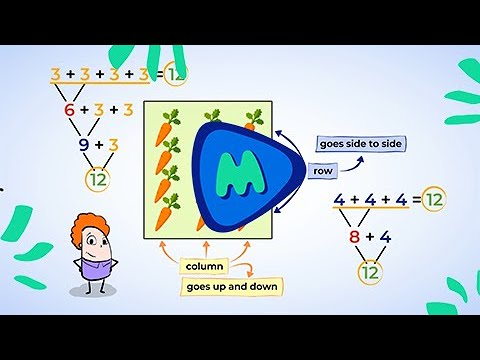
Arrays and Repeated Addition
MightyOwl · 5:35
Supports: Compare a folktale from another culture with fables already read and read a poem aloud with rhythm.
The Wind and the Sun
The Fable Cottage · 3:22
Supports: Choose an appropriate tool (ruler, yardstick, or tape measure) and measure the length of an object in inches.
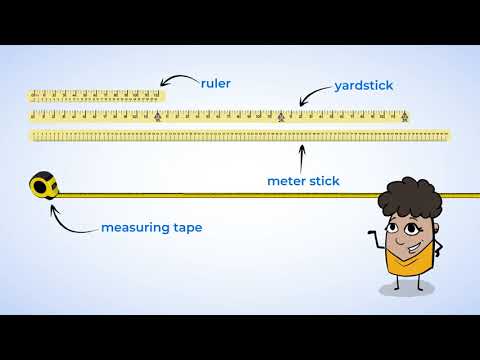
Let's Measure: Choose Your Tools!
MightyOwl · 6:23
Supports: Identify where water and land are found on Earth and build a simple model showing both.
Land and Water
Crash Course Kids · 3:33
Supports: Compare how daily life in the past differs from life today and use the words 'past,' 'present,' and 'long ago' correctly.
Long Ago and Today: Past vs Present Objects
Shon's Stories · 3:28
Supports: Measure longer objects with a yardstick and tape measure and record measurements accurately in inches.
Inches, Feet and Yards Song
Numberock · 2:02
Supports: Compare how two complex informational texts explain the same topic and identify the words that make each one hard.
How to Compare and Contrast Nonfiction Texts
McGraw Hill PreK-12 · 3:00
Supports: Build a model landscape with a mountain, a river, and a lake and observe where water collects.
The Water Bodies | The Dr. Binocs Show
Peekaboo Kidz · 3:48
Supports: Create a personal timeline showing how everyday objects and routines have changed over three generations.
Long Ago and Now
Little Fox · 2:23
Supports: Estimate lengths in inches using benchmarks (a paper clip, a thumb, a hand span) before measuring.
Inches, Feet and Yards: Estimating Length
Kids Academy · 6:35
Supports: Generate questions before, during, and after reading and use them to understand a text more deeply.
6 Questions: A Reading Comprehension Strategy
Jack Hartmann Kids Music Channel · 2:53
Supports: Observe that some Earth changes happen quickly and others slowly, and model weathering by breaking rock into smaller pieces.
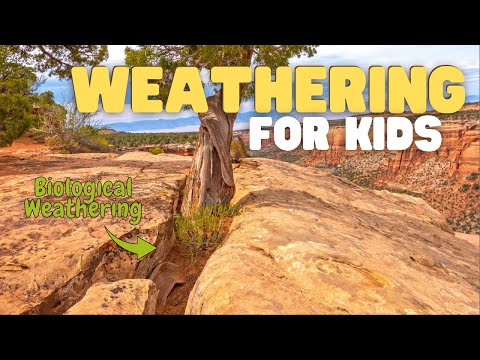
What Is Weathering?
Learn Bright · 6:32
Supports: Explain why George Washington Carver is remembered and describe how his work helped farmers.
The Story of George Washington Carver
SciShow Kids · 5:12
Supports: Measure two objects and find how much longer one is than the other using subtraction.
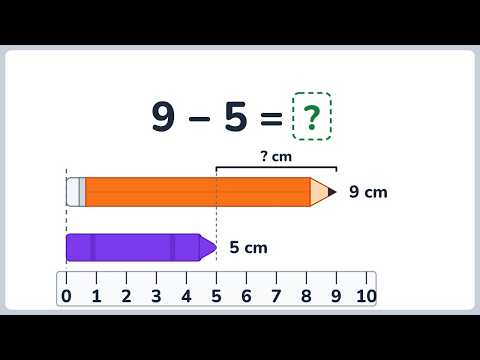
How Much Longer? Comparing Lengths
Bobby's Math Club · 2:22
Supports: Ask questions across two texts on the same topic and use one text to answer a question raised by the other.
Comparing Texts on the Same Topic
Chorus Educational · 3:21
Supports: Model erosion by water and wind and describe how moving water and air carry soil from one place to another.
What Is Erosion?
Little School · 4:43
Supports: Describe how Ruby Bridges changed her community and compare her school day to their own.
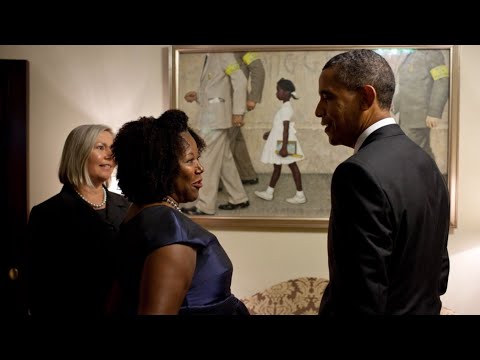
Celebrating Ruby Bridges
Scholastic · 3:52
Supports: Solve addition word problems about lengths in the same unit by drawing a picture and writing an equation.
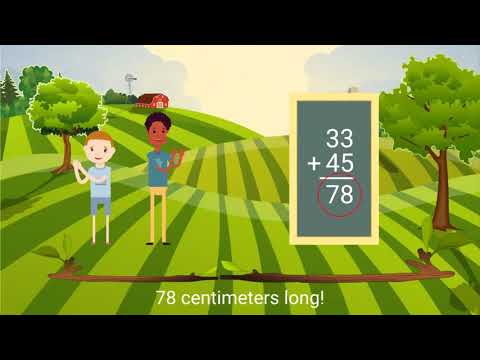
Solving Word Problems Involving Length
Education Galaxy · 3:55
Supports: Ask and answer who, what, where, when, why, and how questions about a nonfiction text.
The Five W's Song
Scratch Garden · 1:40
Supports: Make a map of a model landscape, using a key with symbols for land and water features.
Learn About Maps: Symbols, Map Key, Compass Rose
Vids4Kids.tv · 3:27
Supports: Name specific Native American nations, describe how the Cherokee people expressed gratitude across the seasons, and understand that these nations exist today.
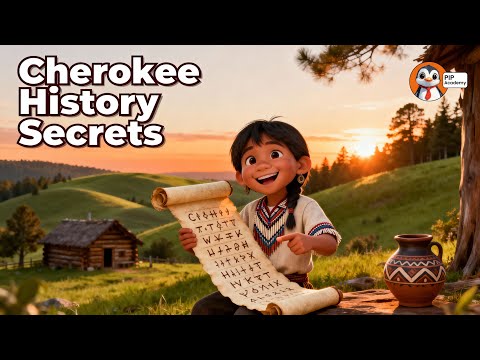
Cherokee History: Sequoyah's Alphabet & the Trail of Tears
PIP Academy · 8:58
Supports: Solve mixed addition and subtraction length problems, including finding an unknown part.
Solving Measurement Problems with Length
Underwater Math · 1:34
Supports: Ask and answer questions across two nonfiction texts about the same animal and note where they agree.
Compare and Contrast Two Books on the Same Topic
Digital Learning Stream · 5:06
Supports: Read and compare real maps to identify mountains, rivers, lakes, and oceans and explain how color and symbols show them.
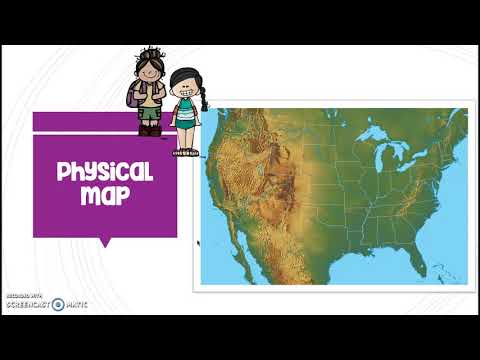
Map Skills: Political and Physical Maps
Teaching Independent Learners · 4:02
Supports: Describe how the Haudenosaunee and other nations used and cared for natural resources, and create a gratitude message in the style of the Thanksgiving Address.
Who Are the Haudenosaunee and the Six Nations?
Fenimore Art Museum · 1:29
Supports: Build a number line with equally spaced points and locate whole numbers on it.
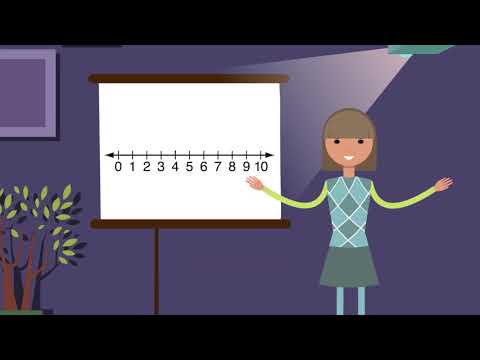
Number Lines
Education Galaxy · 3:27
Supports: Retell a story in order, including the central message, and read aloud with accuracy.
Retelling a Story
Khan Academy Kids · 1:07
Supports: Identify where water exists on Earth as solid ice and as liquid, and observe how water changes between the two.
How Much Water Is on Earth?
NASA Space Place · 1:24
Supports: Describe the arrival of European explorers from the point of view of the Taino people who already lived there.
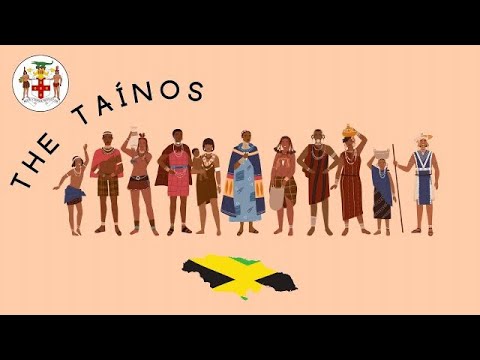
The Taíno
Education Hunter · 4:51
Supports: Represent subtraction as hops backward on a number line and find differences within 100.
Number Lines Song: Adding and Subtracting
Numberock · 2:58
Supports: Model how a glacier moves and carries rock, and explain that ice can shape land like water does.
How Glaciers Change the World!
SciShow Kids · 5:04
Supports: Compare a day in the life of a Wampanoag child and an English settler child in 1620s Massachusetts.
The Wampanoag Way
Scholastic · 7:27
Supports: Build a paper clock and tell time to the hour and half hour, identifying the hour and minute hands.
Telling Time to the Hour and Half Hour Song
Numberock · 6:21
Supports: Identify the main topic of a multi-paragraph informational text and the focus of each paragraph.
How to Write a Paragraph
GRASPhopper · 3:04
Supports: Observe and record daily weather, build a simple wind tool, and describe wind as moving air that can change the land.
Where Does Wind Come From?
SciShow Kids · 5:19
Supports: Explain how an invention solved a problem and changed daily life, using Benjamin Franklin's inventions as examples.
Great Inventors: Benjamin Franklin
Adventure Academy · 5:48
Supports: Match analog and digital times to 5 minutes and use a.m. and p.m. correctly.
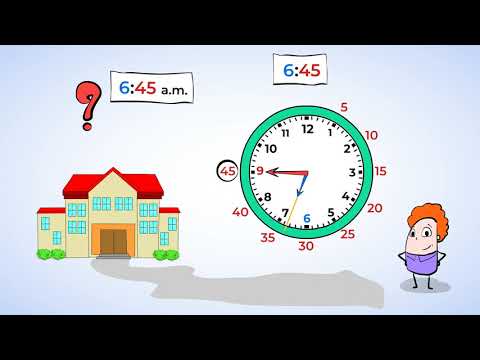
Telling Time
MightyOwl · 6:45
Supports: Identify the main idea of a story chapter and support an opinion about a character with reasons and linking words.
Opinion Writing: What Is It?
Teaching Without Frills · 1:26
Supports: Measure wind strength with a homemade tool, compare readings across the day, and connect strong wind to fast changes on Earth.
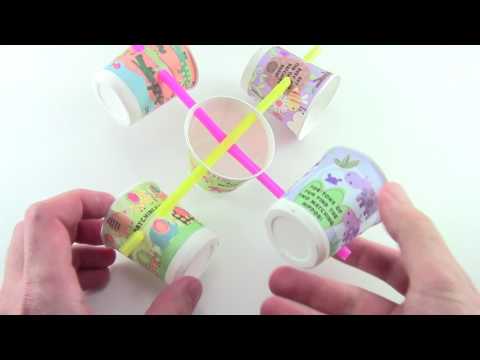
How to Make an Anemometer
Science Buddies · 2:15
Supports: Describe how an inventor used wind to solve a problem and design their own invention to solve a problem at home.
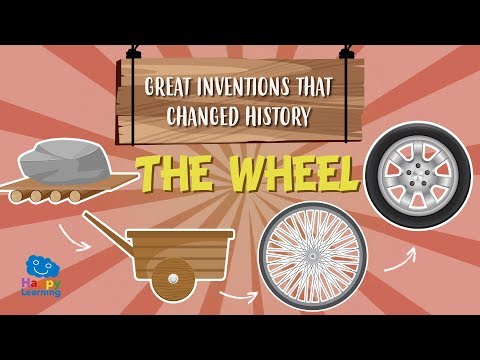
The Wheel: Inventions That Changed History
Happy Learning English · 3:01
Supports: Identify pennies, nickels, dimes, and quarters by name and value and count a group of one coin type.
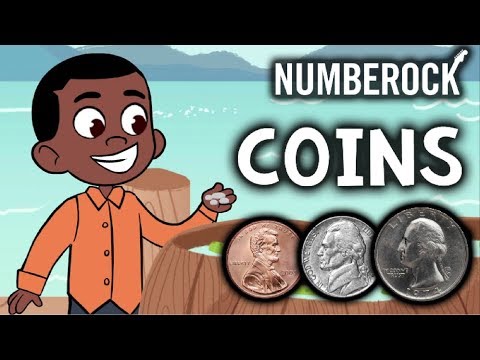
Counting Coins Song
Numberock · 3:34
Supports: Describe how a character responds to a major event and begin collecting vocabulary from reading.
Read Like a Detective: Character Response to Major Events
Mrs. Randall's Reading Island · 3:16
Supports: Review the unit by building a single model that shows land, liquid water, ice, and wind acting on Earth's surface.
Water Made the Grand Canyon!
SciShow Kids · 5:34
Supports: Review how one place changes over time and sequence events from long ago to now using a real street-through-time text.
What Is Change Over Time?
Colonial Williamsburg · 1:54
Supports: Make a given amount in different coin combinations and recognize that $1 equals 100¢.
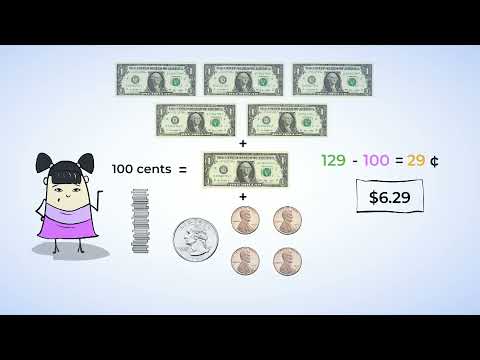
Counting Coins: The Value of Coins and Bills
MightyOwl · 6:45
Supports: Compare how two characters in two different books respond to a problem and identify the lesson in each.
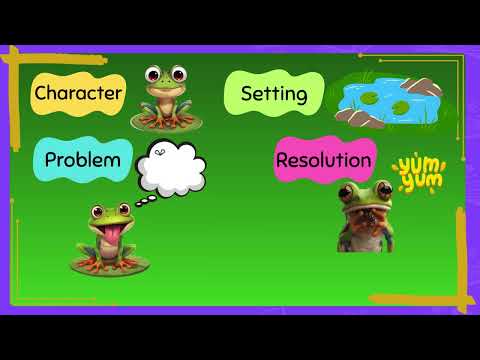
Story Elements Song
Mini Lesson Media · 2:14
Supports: Demonstrate what they know by sorting Earth changes as fast or slow and drawing a map of the review model with a complete key.
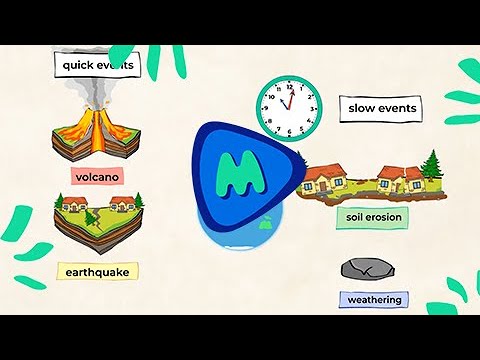
Our Ever-Changing Earth: Earthquakes, Volcanoes & Erosion
MightyOwl · 6:49
Supports: Measure the lengths of household objects to the nearest inch and record the data in a table to prepare for a line plot.
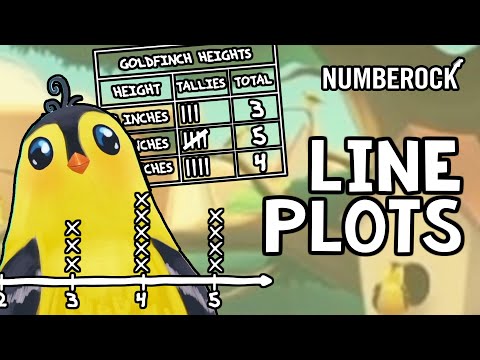
Line Plots Song
Numberock · 3:32
Supports: Agree on three conversation rules and use them to discuss how CJ's feelings change during the bus ride in 'Last Stop on Market Street'.
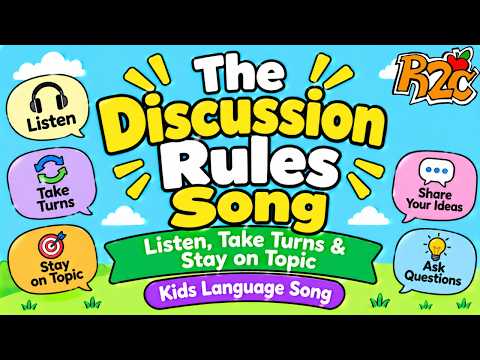
The Discussion Rules Song
Rock 2 the Core · 2:05
Supports: Observe and record the variety of living things in one small outdoor area and explain that biodiversity means 'many different kinds of life'.
Wild Kratts: What Is Biodiversity?
PBS KIDS · 2:07
Supports: Sort items into needs (things people must have to live) and wants (things people would like to have) and explain the difference.
Wants and Needs with Bert and Ernie
Sesame Workshop · 1:41
Supports: Collect a second measurement data set, build a line plot independently, and answer how-many questions about it.
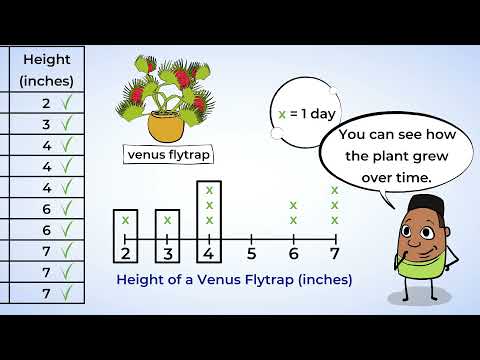
Let's Organize Our Measurements: Creating Line Plots
MightyOwl · 6:09
Supports: Recount key ideas from 'Those Shoes' and ask who, why, and what-if questions about it in a conversation with roles.
Central Idea and Key Details
McMillans On The Go Academy · 2:24
Supports: Compare the biodiversity of two different areas and use their data to explain why one area has more kinds of living things.
Home Sweet Habitat
Crash Course Kids · 4:42
Supports: Identify the basic needs all people share (food, water, shelter, clothing) and explain that wants differ from person to person.
Our Basic Needs: Air, Water, Food, Shelter & Clothing
Kids Learning · 2:53
Supports: Conduct a household survey with up to four categories and organize the results in a tally table.
Data! | Mini Math Movies
Scratch Garden · 8:13
Supports: Use sentence stems to build on a partner's ideas while discussing why the family in 'A Chair for My Mother' saves every coin.
Talk About: Friendship
PBS KIDS · 9:29
Supports: Sort pictures of animals into groups by observable body features (fur, feathers, scales, shells, six legs) and explain their sorting rule.
Animal Classification for Kids
Learn Bright · 8:58
Supports: Distinguish goods (things people make or grow) from services (work people do for others) and give examples of each from their community.
Goods and Services for Kids
Homeschool Pop · 4:37
Supports: Run a second survey and build a bar graph with a scale of one, labeling axes and title.
Bar Graphs & Picture Graphs Song
Numberock · 2:54
Supports: Classify living things beyond animals (plants, fungi) and use a simple yes-or-no key to identify which group an organism belongs to.
What Are Fungi?
Smile and Learn - English · 4:35
Supports: Identify goods and services in their own neighborhood and create a map or chart showing where each is found.
What Are Goods and Services?
Twinkl USA · 3:45
Supports: Identify triangles, quadrilaterals, pentagons, and hexagons by counting sides and vertices.
Shapes, Sides and Vertices
Jack Hartmann Kids Music Channel · 3:37
Supports: Observe that plants need sunlight and water to grow and begin to explain that animals depend on plants for food and shelter.
Do Plants Need Water and Sunlight to Grow?
MightyOwl · 7:48
Supports: Explain that producers make goods or provide services and consumers use them, and identify times they are each one.
Producers and Consumers
Teaching Without Frills · 2:32
Supports: Draw shapes with a given number of sides or vertices, including non-standard versions.
Get In Shape With 2D Shapes! Draw and Move
Jack Hartmann Kids Music Channel · 3:46
Supports: Model how animals help plants by carrying pollen and seeds, and record early results from the bean cups.
Seed Dispersal by Animals
Tatiana Robbins · 2:07
Supports: Act as producers by making a simple good and describe the resources and work it took.
What Is Manufacturing?
PIP Academy · 5:44
Supports: Partition a rectangle into rows and columns of same-size squares and count the total.
Partitioning Rectangles
Khan Academy · 3:13
Supports: Identify what a habitat provides (food, water, shelter, space) and observe how removing one part affects the living things there.
Habitats Song
Hopscotch Songs · 3:31
Supports: Explain why people save money and practice deciding between spending now and saving for later.
Saving and Spending
Teaching Without Frills · 2:38
Supports: Connect partitioned rectangles to repeated addition by adding the squares in each row.
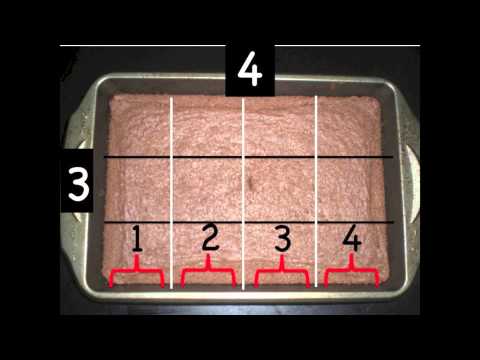
Dividing Rectangles | 2nd Grade Math
eSpark · 4:11
Supports: Use text features in a Gail Gibbons nonfiction book to gather facts about rain forest layers and add notes from two more sources.
Explore the Rainforest!
SciShow Kids · 4:08
Supports: Design and test a simple device that keeps litter or oil out of the model pond.
Ocean Oil Spill Simulation & Cleanup
TheDadLab · 1:43
Supports: Create a savings plan for a goal and explain how spending choices today affect what they can buy later.
Elmo's Spend, Share, and Save Jars
Sesame Workshop · 2:10
Supports: Partition circles and rectangles into two equal shares and describe them as halves.
Equal Parts for Kids: Fractions & Fair Shares
Homeschool Pop · 7:16
Supports: Explain how the words and pictures in 'Over and Under the Pond' work together and expand simple sentences with where, when, and how.
Expanding Sentences: Who, What, When, Where & Why
Shon's Stories · 2:41
Supports: Build a simple food chain (sun, plant, animal, animal) from a real habitat and explain that energy passes from one living thing to the next.
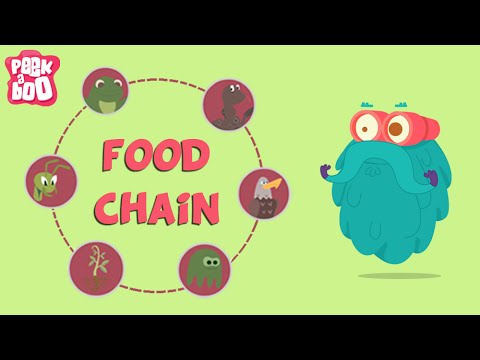
What Is a Food Chain? The Dr. Binocs Show
Peekaboo Kidz · 3:27
Supports: Explain that people cannot have everything they want and that every choice has a cost (the thing given up), using the word scarcity.
Making Choices: Opportunity Cost
Kittyconomics · 1:33
Supports: Partition rectangles and circles into three equal shares and describe them as thirds.
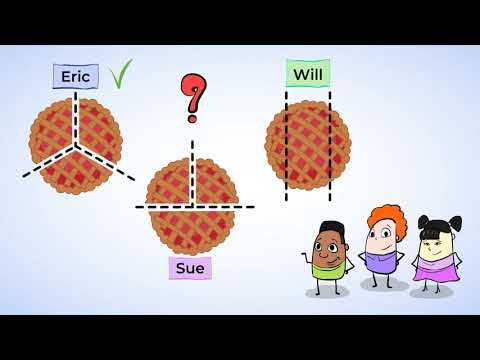
Partitioning Shapes: Fractions
MightyOwl · 6:39
Supports: Connect several food chains into a food web and predict what happens to the web when one living thing is removed.
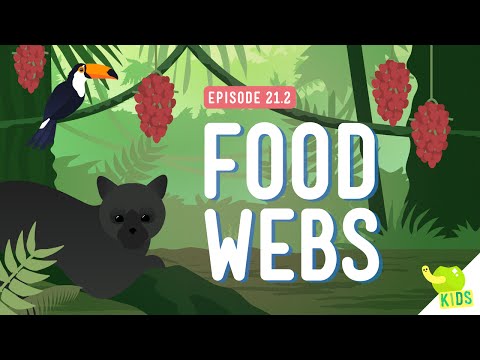
Food Webs
Crash Course Kids · 3:52
Supports: Use a simple decision chart to weigh choices and explain how families and communities decide what to do with limited resources.
Scarcity and Choice
Wonderland Economics · 3:02
Supports: Review line plots and bar graphs by collecting fresh household data and representing it both ways.
Graphs for Kids
Learn Bright · 6:36
Supports: Test how different bird beak shapes work for different foods and explain that body features help animals survive in their habitats.
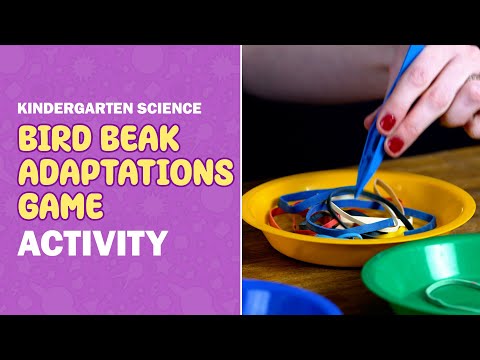
Bird Beak Adaptations Game
Ms Shelley's Science Show · 2:28
Supports: Explain that people trade goods and services because no one can make everything they need, and practice a barter exchange.
How Did People Buy Things Before Money?
StarNest Academy · 3:54
Supports: Review partitioning rectangles into rows and columns and connect the total to repeated addition.
Rows and Columns of Squares
Six Minutes · 3:12
Supports: Describe the circular structure of 'Ox-Cart Man' and use shades-of-meaning adjectives to describe the market and the walk home.
Shades of Meaning
Homeschool Pop · 7:03
Supports: Test how blubber and camouflage help animals survive and compare adaptations across the animal groups from Week 26.
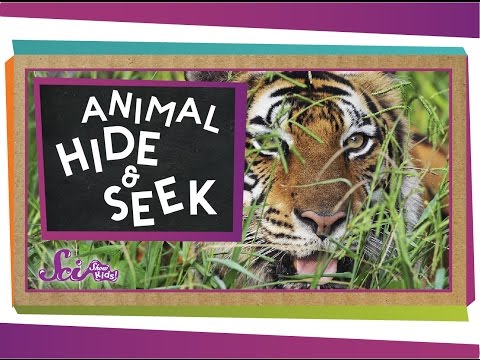
Camouflage: Animal Hide & Seek
SciShow Kids · 4:27
Supports: Explain how money makes trade easier and finish the Needs and Wants booklet by showing how trade brings goods from far away into their home.
The History of Money: How Money Was Invented
Acorns · 1:24
Supports: Solve two-step addition word problems by drawing a model and writing an equation with a symbol for the unknown.
Solving a Two-Step Word Problem with the 3 Reads Strategy
Math (and More) in Minutes · 4:07
Supports: Ask and answer who, what, where, when, why, and how questions about a story (RL.2.1, first taught in Week 1) and review long vowel teams while planning a narrative.
Who, When, Where
Khan Academy Kids · 1:06
Supports: Describe the stages of a plant life cycle and begin a sprouting investigation to observe the first stage firsthand.
How Does a Seed Become a Plant?
SciShow Kids · 3:47
Supports: Review needs, wants, goods, and services and explain how a family saves money for something they need.
Goods and Services
Teaching Without Frills · 3:02
Supports: Solve two-step word problems that mix addition and subtraction and check the answer with the opposite operation.
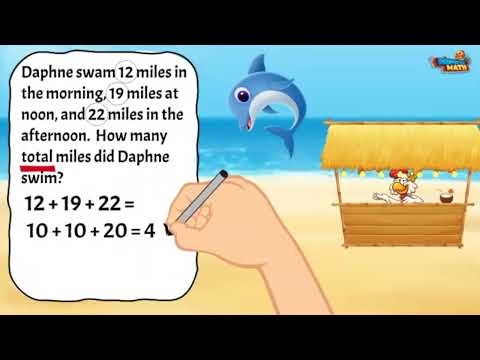
Two-Step Addition & Subtraction Word Problems
Underwater Math · 1:50
Supports: Use illustrations and words to understand characters, setting, and plot (RL.2.7, first taught in Week 5) using two picture-rich texts, and write an informational paragraph.
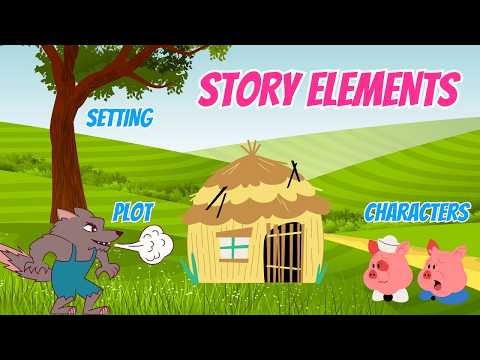
Parts of a Story Song: Characters, Setting, Plot
StudyBuddyLearning · 2:33
Supports: Compare the life cycles of a frog, a butterfly, and a bean plant and identify what the three have in common.
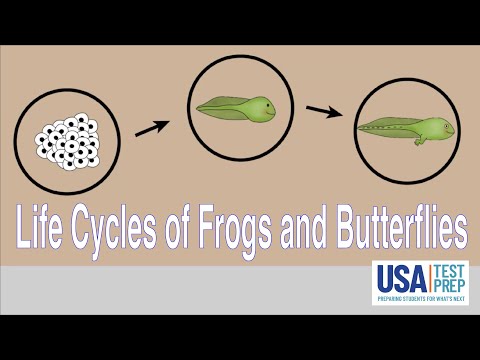
Life Cycles of Frogs and Butterflies
Progress Learning · 4:33
Supports: Review producers and consumers by running a pretend market and making a spending choice with a limited budget.
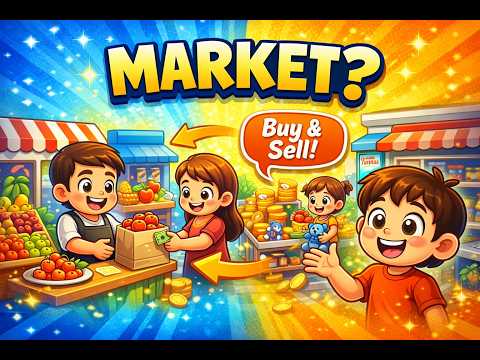
What Is a Market?
Smart Kids Learn Business · 2:23
Supports: Read, write, and represent three-digit numbers in standard, word, and expanded form and with base-ten drawings.
Finding the Value of a Digit | 3-Digit Place Value
Elementary Math with Mr. J · 3:07
Supports: Ask and answer questions about key details in an informational text (RI.2.1, first taught in Week 7) and take research notes from a source.
Main Idea
Mind Blooming · 2:42
Supports: Count and record the different kinds of living things in a small outdoor area to review the idea of biodiversity.
Living and Nonliving Things
Learn Bright · 7:07
Supports: Describe a tradition from their own family and identify traditions in a story about another culture.
Fun Family Traditions
Sesame Street · 4:17
Supports: Add within 1000 using base-ten drawings and a written method with regrouping.
Addition with Regrouping Song
Numberock · 3:20
Supports: Use text features such as headings, captions, bold words, and glossaries to locate information efficiently (RI.2.5, first taught in Week 9) and gather facts from two sources.
Nonfiction Text Features: Captions, Headings, Glossaries
eSpark · 1:47
Supports: Review the properties of matter by sorting kitchen materials by observable properties and testing which are best for a purpose.
Properties of Matter
Generation Genius · 2:20
Supports: Compare traditions across cultures and create a culture quilt square showing food, celebration, and language from their own family.
Cultural Celebrations Around the World
HeyLi · 4:41
Supports: Recall addition and subtraction facts within 20 from memory using make-a-ten and doubles strategies.
Fact Fluency Freeze Dance! Addition Within 20
Math (and More) in Minutes · 3:39
Supports: Describe how words and phrases carry meaning, including idioms taken literally (RL.2.4, first taught in Week 13), and begin a collaborative story.
Idioms for Kids
Learn Bright · 6:53
Supports: Explain what makes a question testable and choose a science fair question from a menu of safe, measurable investigations.
How to Do a Science Fair Project: Ask a Testable Question
Described and Captioned Media Program · 1:28
Supports: Identify a need in their community and choose one service project to plan and carry out over two weeks.
Good Neighbors Volunteer
Sesame Workshop · 2:53
Supports: Add up to four two-digit numbers by grouping tens and looking for pairs that make ten.
Adding Four Two-Digit Numbers
Khan Academy · 3:15
Supports: Compare and contrast two versions of the same character's story by different authors (RL.2.9, first taught in Week 14) and write a compare-and-contrast paragraph.
Compare and Contrast
Mind Blooming · 1:55
Supports: Write a prediction and identify what to change and what to keep the same in their science fair test.
Bowled Over: Isolating Variables
Crash Course Kids · 4:38
Supports: Make a step-by-step plan for their community project, including who to ask, what to gather, and when it will happen.
Together We Can: Participate in Your Community
PBS KIDS · 3:05
Supports: Measure lengths with rulers and tape measures in inches and centimeters, estimate first, and compare two measurements.
Measuring Length in Inches and Centimeters
Attainable Academics · 5:38
Supports: Identify the point of view of a first-person narrator and read his words in his voice (RL.2.6, first taught in Week 6), and begin revising their Author's Celebration piece.
Point of View: First and Third Person
Ms. Andy · 3:49
Supports: Carry out their science fair experiment with three trials for each condition and record results in a data table.
Try Trials
Crash Course Kids · 3:01
Supports: Tell and write time to the nearest five minutes on analog and digital clocks and use a.m. and p.m..
Telling Time to 5 Minutes Song
Numberock · 6:21
Supports: Describe how an author uses reasons to support specific points (RI.2.8, first taught in Week 16) and compare a fiction and a nonfiction text about the same gorilla (RI.2.9, first taught in Week 17), then edit their own writing.
Author's Opinion Song
Learning Through Lyrics · 2:06
Supports: Finish their trials, find the total for each condition, and build a bar graph that shows the results.
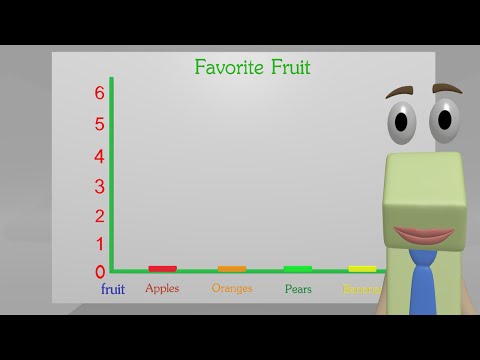
Bar Graphs: Create Your Own Bar Graph
Math & Learning Videos 4 Kids · 4:00
Supports: Identify and draw triangles, quadrilaterals, pentagons, hexagons, and cubes by number of sides, angles, and faces.
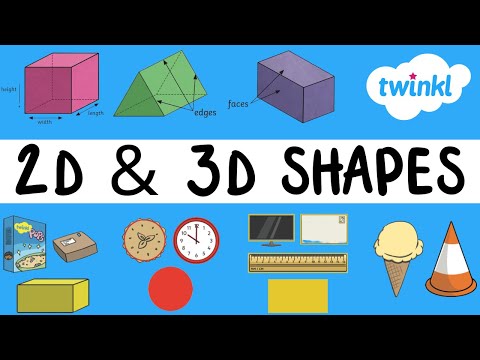
2D and 3D Shapes for Kids
Twinkl USA · 8:14
Supports: Follow agreed-upon rules for discussion and build on others' talk (SL.2.1a and SL.2.1b, first taught in Weeks 25 and 26) and read with expression, while illustrating their Author's Celebration piece.
Why Is Listening Important?
MDR Bros. Education Channel · 3:34
Supports: Organize their plan, data, graph, and conclusion into a science fair poster with a clear left-to-right order.
How to Do a Science Fair Project: Step 5
NASA JPL Edu · 3:16
Supports: Review map skills by locating their home, town, state, and country and using a map key and compass rose.
What's the Difference Between a Country, State, and City?
Shon's Stories · 8:29
Supports: Partition circles and rectangles into halves, thirds, and fourths, describe the shares with words, and recognize that equal shares of the same whole can have different shapes.
Identify Halves, Thirds, and Fourths
Boddle Learning · 1:50
Supports: Read dialogue aloud with distinct character voices (RL.2.6 and RF.2.4b, first taught in Weeks 6 and 22) and create an audio recording of their own writing.
Reading with Expression
Hannah Hartman · 2:52
Supports: Describe how a character responds to challenges over a long story (RL.2.3, first taught in Week 2) and begin assembling a reading and writing portfolio.
How Characters Change in a Story
Khan Academy Kids · 1:18
Supports: Use illustrations to understand characters and compare central messages across two texts (RL.2.7 and RL.2.9, first taught in Weeks 5 and 14) and publish their Author's Celebration piece as a finished book.
Comparing the Central Message of Two Stories
Kinsy Lukasavage · 6:10
These videos were checked to play and embed, are kid-appropriate, run 1 to 10 minutes, and come from education channels. YouTube's own controls apply. Preview anything you are unsure of before watching with your child.